

For the past couple of days, I’ve been thinking about a book I read years ago: Mother by Maxim Gorky.
I picked it up randomly at the library. I knew the name. I knew it was famous. I had heard of it in my childhood. But I didn’t know what it was about. I’ve always been drawn to history, so I decided to read it.
After reading it, I mentioned the book casually to a Russian friend. Her reaction surprised me. She became visibly upset and warned me to be careful. She told me the book promotes communist ideology and is closely tied to the Communist Manifesto.
Only then did I fully register what the book represented historically.
Yes — the politics were there. The beginnings of a movement. The language of revolution. The ideas that shaped a century.
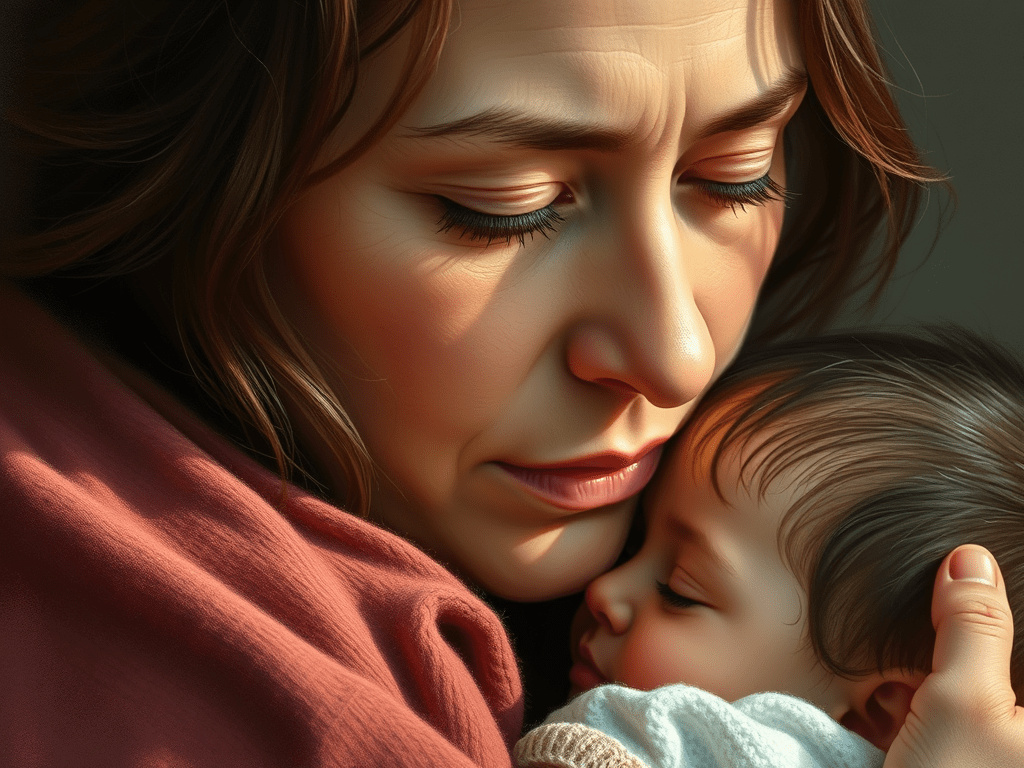
But they stayed in the background for me. What stayed with me was the mother.
I saw a woman whose entire life was consumed by fear and survival. A woman who was beaten daily by her husband when he returned from the mines. Her days were not about love or nurturing or dreams. They were about anticipating violence and figuring out how to survive another night.
As a young mother, she never truly had the chance to bond with her child. Not because she didn’t care — but because trauma filled every corner of her life. When your entire being is focused on avoiding pain, there is little space left for tenderness. Her suffering was so overwhelming that even love had to wait.
When her husband dies, something shifts. For the first time, she can breathe. And only then does her attention turn fully to her son.
What unfolds is not just a political awakening — it is an emotional and psychological one. A simple, unassuming woman becomes a critical part of a larger movement. She did not set out to change the world. She became involved because she would do anything for her child.
For me, the book was never about propaganda.
It was about a mother finding herself after years of being erased by fear.
It was about how love can awaken a person who has lived too long in survival mode.
It was about how personal pain, when finally given space, can turn into courage.
My friend saw ideology. I saw a woman.
And maybe that says as much about the reader as it does about the book.
 Whispers of Wandering Soul
Leave a comment